ALBERT CAMUS
Backwoods blog;
in the woods and on the road…
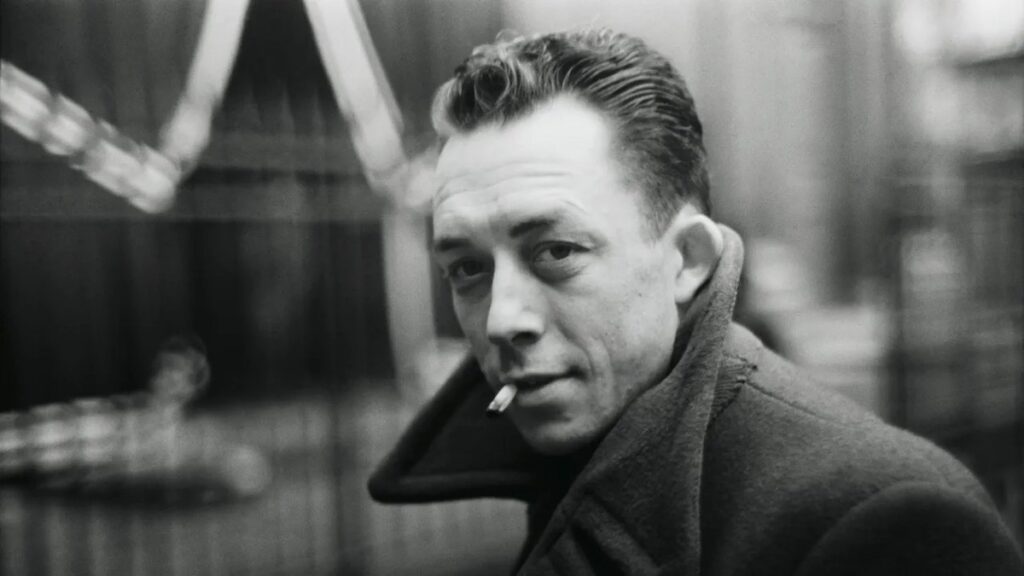
Albert Camus (1913-1960)
We must mend
What has been torn apart
Make justice imaginable again
In a world so obviously unjust,
Give happiness once more
To people poisoned
By the misery of the century.
Naturally, it is a superhuman task.
But superhuman is the term
For tasks…(we) take a long time
To accomplish.
That’s all.

- Albert Camus


We know that the new world order we seek cannot be merely national, or even continental. It must be universal. No longer can we hope for anything from partial solution or concessions. And all the while the pace of history and the world is accelerating. The 21 deaf men, the war criminals of tomorrow who today negotiate peace, carry on their monotonous conversations placidly seated in an express train which bears them toward the abyss at a thousand miles an hour.

Since these forces are working themselves out and since it is inevitable that they continue to do so, there is no reason why some of us should not take on the job of keeping alive, a modest thoughtfulness which, without pretending to solve everything, will constantly be prepared to give some human meaning to everyday life. The essential thing is that people should carefully weigh the price they are willing to pay…In the coming years an endless struggle is going to be pursued between violence and friendly persuasion, a struggle in which, granted, the former has a thousand times the chances of success than that of the latter. But I have always held that, if he who bases his hopes on human nature is a fool, he who gives up in the face of circumstances is a coward. And henceforth, the only honorable course will be to stake everything on a formidable gamble: that words are more powerful than munitions.

- Albert Camus;  from the French News Periodical “Politics”
                 Issue No. 4  1947   (50 cents a copy)
It is a cold and frozen-stiff morning in the woods, as the thermometer reads minus 10 degrees (only our second sub-zero temp of the year). Maybe I’m just getting older, or perhaps more prone to complain, but cold temperatures seem to feel colder than they used to. It makes that first cup of hot coffee a true requirement to start the day and get the brain working. The second part of my regular routine is checking the morning headlines and sport scores in the newspaper. Well, these days I still call it the newspaper, but now I get the New York Times via online subscription service. While I appreciate the efficiency and timely delivery, I have to say, I do miss the feel, sound and smell of newsprint in my hands.
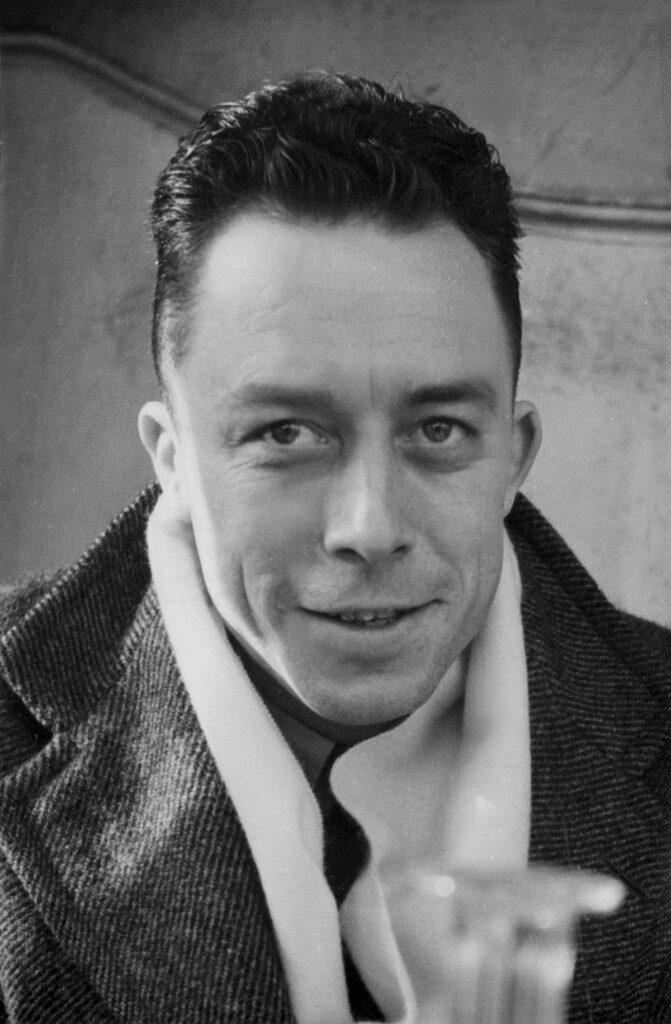
These dark and cold days of January carry news stories of the same nature. Violence, turmoil and conflict are always with us as humanity sorts and shuffles its way forward through history, but there are times when the expanse and severity of the darkness extends noticeably. To me, this appears to be one of those times. As I was going through some old sermon files, I came across Albert Camus material I had used in a lecture during a time similar to this. Camus was a 20th century French philosopher who wrote about the struggle to find meaning during heightened times of violence. He received the Nobel Prize for Literature in 1957 at age 44 and died tragically in an automobile accident shortly thereafter in 1960. There are no easy answers in philosophy or religion; we search for meaning in the context of our own life experience and the lives of those who share this planet with us. The light and the darkness draw us into our next action (or inaction) as we make our contribution to the continuing process. This keeps me returning to the daily headlines, even when news fatigue or the stark intensity of it all can be a bit much. These are the times, as Camus would say, when “modest thoughtfulness” is highly sought.
In the woods,
Dave
January 24, 2024
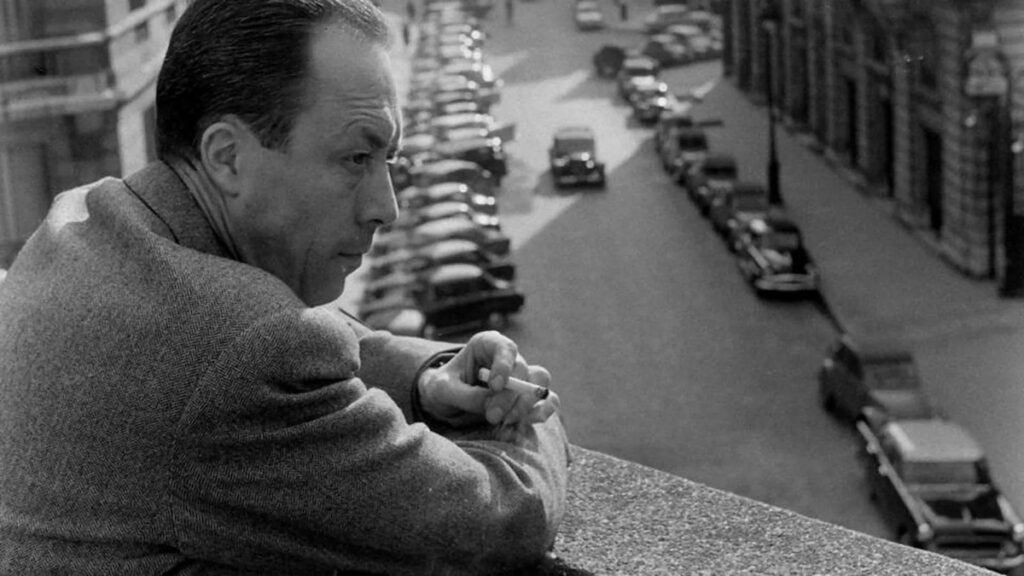
Albert Camus leans on a terrace outside his Paris office in 1957; Getty Images
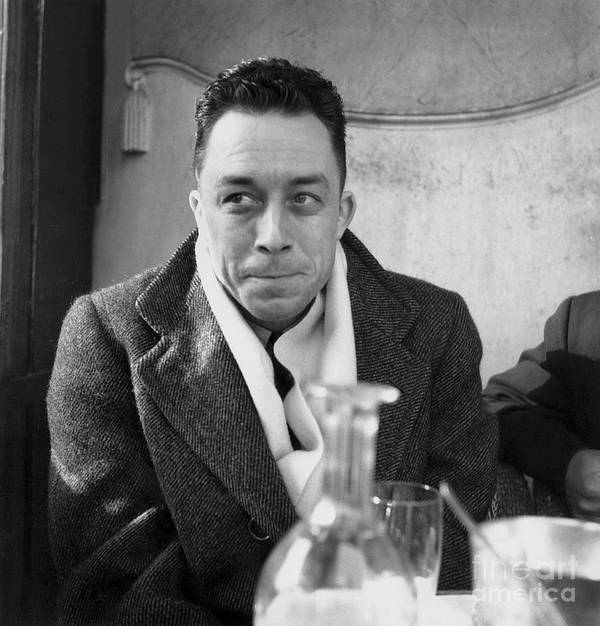
Camus hanging out in a cafe…